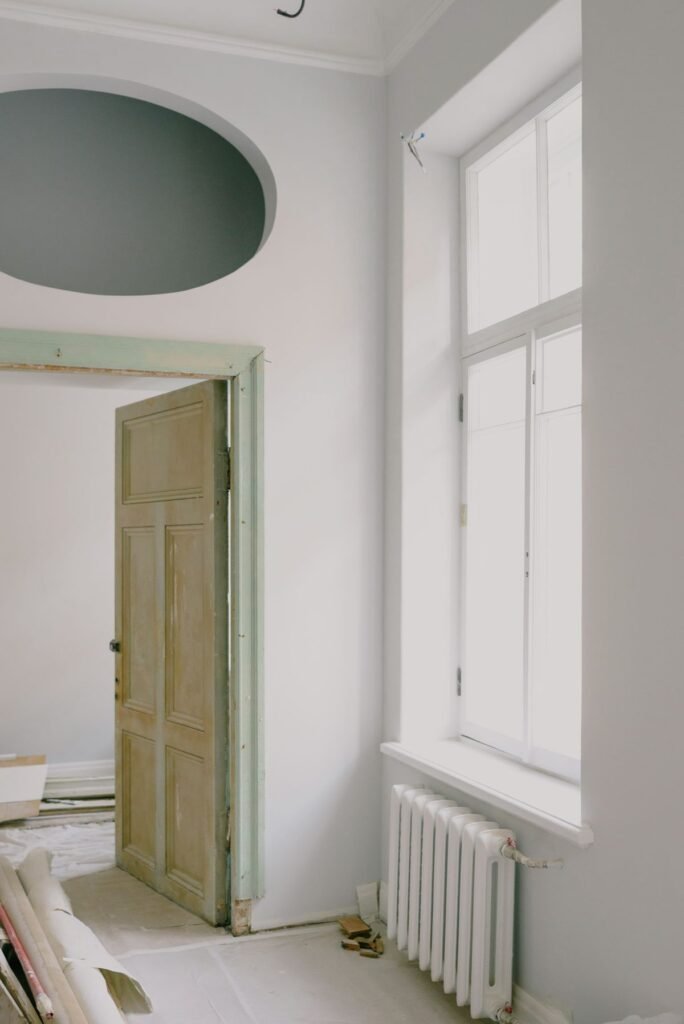
Fine construction dust behaves nothing like household dust, and I learned this the hard way early on — running a normal vacuum through a freshly sanded room and watching it struggle in a way that everyday dust never causes.
Why Renovation Dust Is a Different Problem
Drywall dust, sanding residue, and general building debris are much finer and denser than typical household dust. It settles into everything — not just the floor, but skirting boards, window sills, light fixtures, and any horizontal surface in the room — and it clogs filters considerably faster than everyday use. A filter that would normally last months can clog within a single renovation clean-up session if you’re not managing it deliberately.
Timing Matters More Than People Expect
Vacuuming too soon after sanding, while dust is still settling out of the air, means you’re constantly stirring up more than you’re removing. I generally wait at least a few hours after sanding work finishes, longer if the room isn’t well ventilated, before doing a proper vacuum pass. Wiping down horizontal surfaces first, so dust isn’t re-settling onto the floor as you clean it, also makes a real difference to how much you actually pick up in one pass.
Free checklist
Get Kiran's Free Fine Dust & Allergen Vacuum Checklist
Built after my son's asthma diagnosis, this is the exact five minute process I use before recommending any vacuum.
- HEPA seal red flags
- My five minute home test
- Proper bin emptying technique
- Questions to ask before buying
Sanding between paint coats specifically has its own considerations, including a safety note on older paint — see paint and drywall dust.
A shop vac handles the bulk of coarse debris and larger volumes of dust well, but for the final fine-dust pass — the level that actually matters for air quality afterward — a properly sealed vacuum with genuine HEPA-grade filtration does a better job than a standard shop vac’s filtration typically allows. Using both, coarse pass first with a shop vac, fine pass after with a sealed HEPA machine, gets a noticeably better result than either alone.
At least a few hours in a well-ventilated room, longer if ventilation is limited. Vacuuming while dust is still settling out of the air just means picking up less than you would once it’s actually landed.
Not typically from a single job, but repeated heavy use without extra filter attention accelerates wear on filters and motor components faster than normal household use would.
For bulk debris, yes. For the final fine-dust pass that actually affects air quality afterward, a properly sealed HEPA vacuum generally does a better job than a standard shop vac’s filtration.